
What Causes Gas Line Leaks in Homes?
People searching for gas line leak repair are typically looking to fix dangerous leaks caused by corrosion, damage, or aging pipes, and local service providers can safely handle the repairs.
Understanding what causes gas line leaks in homes is essential for property owners concerned about safety and proper maintenance. Gas lines can develop leaks for various reasons, including aging pipes, corrosion, ground movement, or damage from nearby construction or landscaping activities. Recognizing these potential issues early can help prevent hazardous situations and ensure the integrity of the home's gas system. Since gas line leaks can pose serious safety risks, exploring this topic can be a practical step for those looking to maintain a secure living environment and avoid costly repairs down the line.
Property owners in the area who notice signs like a rotten egg smell, hissing sounds near gas lines, or unexplained increases in utility bills should consider investigating the causes of gas line leaks. Local contractors specializing in gas line repair are equipped to diagnose and address these issues effectively. Learning about the common causes of leaks can help homeowners make informed decisions about maintenance and when to seek professional assistance. Keep reading to discover how local service providers can help ensure the safety and reliability of your home's gas system.
- Gas line inspection - homeowners suspect a leak after noticing a smell or hissing sound and rely on local contractors to perform thorough inspections for potential leaks.
- Gas line repair - when corrosion, ground movement, or accidental damage occurs, local service providers can handle repairs to prevent gas leaks from worsening.
- Leak detection services - in cases where the source of a suspected leak isn't obvious, local pros use specialized tools to pinpoint the exact location of gas line issues.
- Pipe replacement - aging or damaged gas pipes may require replacement, and local contractors approach this by assessing the extent of deterioration and planning safe removal.
- Gas line maintenance - regular maintenance helps prevent leaks caused by wear and tear, with local pros providing inspections and upkeep to keep gas lines secure.
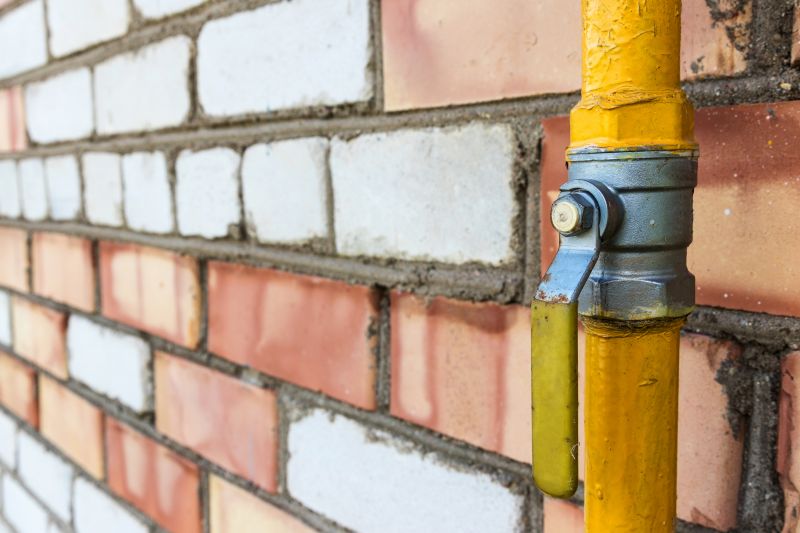
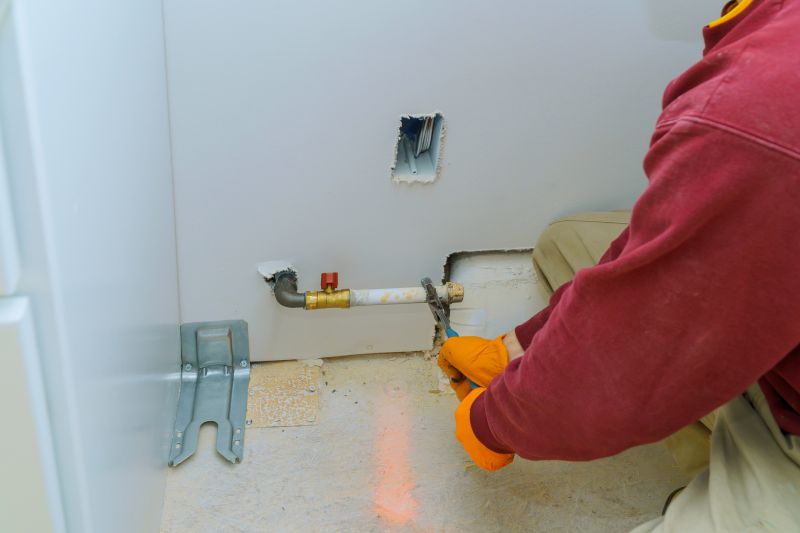
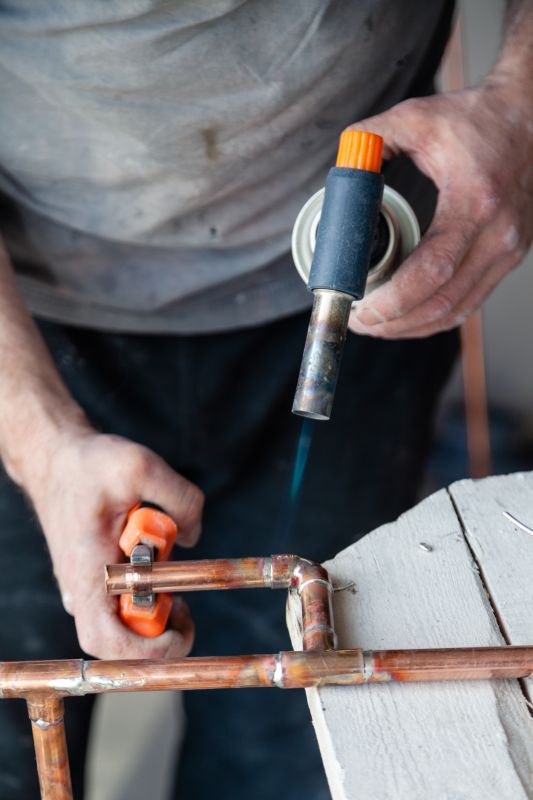
Understanding what causes gas line leaks in homes is a common concern among homeowners, especially those experiencing suspect smells or hearing hissing sounds near their gas lines. Many search for this topic to learn about potential risks, repair options, and how to prevent future leaks. Gas line leaks can pose serious safety hazards, including fire risks and health issues from inhaling natural gas or propane. Homeowners often relate this concern to projects involving home inspections, repairs after damage, or upgrades to their gas systems. Recognizing the causes of leaks helps property owners make informed decisions about when to seek professional help and how to maintain the integrity of their gas lines.
Gas line leaks are frequently associated with issues like corrosion, physical damage, and improper installation. Corrosion occurs over time when metal pipes are exposed to moisture and oxygen, gradually weakening the material and creating vulnerabilities. Physical damage can happen during construction, landscaping, or accidental impacts from heavy equipment or vehicles. Improper installation practices, such as poorly fitted joints or inadequate sealing, can also lead to leaks as the system ages or under stress. These factors are particularly relevant in older homes or properties where gas lines have not been updated or maintained regularly. Understanding these common causes helps homeowners identify potential problem areas and recognize when to bring in local service providers skilled in gas line repair.
The types of properties most often affected by gas line leaks tend to include older residential homes, especially those built decades ago with outdated piping materials. Rural properties with less frequent maintenance or exposure to environmental elements may also experience higher risks. Commercial buildings, especially those with complex gas systems or extensive underground piping, can encounter leaks due to age or damage from nearby construction activities. Additionally, properties undergoing renovations or expansions might inadvertently disturb existing gas lines, leading to leaks if proper procedures aren’t followed. Recognizing the property types most at risk allows homeowners and property managers to prioritize inspections and maintenance, ensuring that local contractors with experience in gas line repair can address issues promptly and safely.
When a gas line leak is suspected, it’s crucial to understand how local service providers fit into the process. These professionals specialize in diagnosing the source of leaks, whether caused by corrosion, damage, or installation flaws, and in performing repairs that restore safety and functionality. They utilize specialized tools to detect leaks accurately and recommend appropriate solutions, which may include replacing sections of piping or sealing joints. Engaging experienced local contractors ensures that repairs are conducted safely and in compliance with relevant standards. For homeowners, knowing that qualified service providers are available to handle gas line issues provides peace of mind and a clear pathway to resolving problems effectively, minimizing risks and safeguarding the property.
Gas line installation projects - Installing new gas lines requires careful planning and knowledge of local codes, similar skills used in diagnosing and repairing leaks in existing systems.
Plumbing repair services - Plumbing repairs often involve working with natural gas lines and understanding how leaks can develop due to corrosion, wear, or improper connections.
Appliance hookup services - Connecting appliances that use gas involves ensuring secure and safe connections, which relates closely to identifying and fixing potential leak points.
Pipe replacement projects - Replacing old or damaged pipes involves similar planning and tools as locating and repairing gas line leaks caused by corrosion or physical damage.
Gas line inspection services - Inspection services focus on detecting potential issues before leaks occur, utilizing techniques applicable to diagnosing leak causes.
Leak detection services - Specialized leak detection involves identifying the exact location of leaks, a skill directly related to understanding what causes gas line leaks in homes.
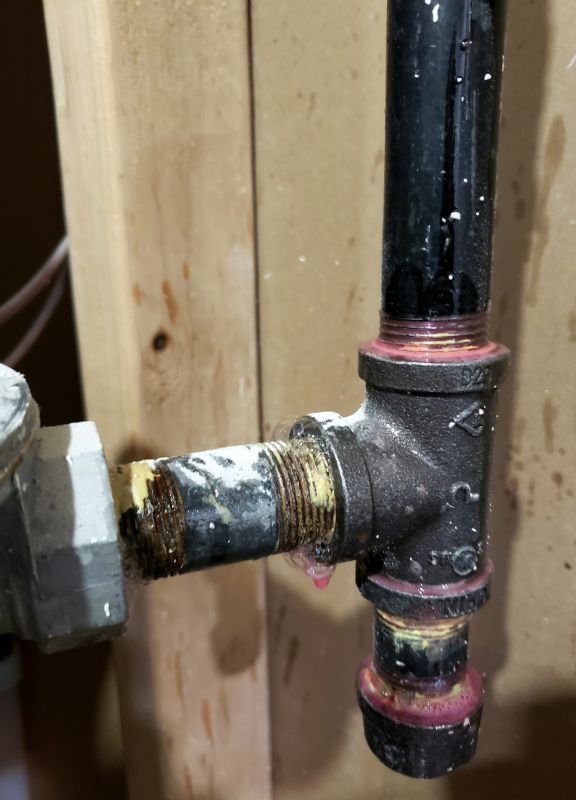
When comparing service providers for gas line leak repair, it is important to consider their experience with similar projects. Homeowners should look for local contractors who have handled gas line issues in residential settings and have a solid understanding of what causes gas line leaks in homes. An experienced professional will be familiar with common causes such as corrosion, improper installation, or damage from nearby construction, which can help ensure the repair work is thorough and effective. Verifying a contractor’s background in addressing these specific issues can provide confidence that the job will be approached with the necessary expertise.
Clear written expectations are essential when evaluating potential service providers. Homeowners should seek detailed explanations of the scope of work, what the repair process entails, and any necessary follow-up steps. A reputable contractor will be transparent about the services they offer and provide written estimates that outline the work involved. This clarity helps prevent misunderstandings and ensures that homeowners understand what to expect, from initial diagnosis to final repairs, making it easier to compare options objectively.
Good communication and reputable references are key factors in choosing the right local contractor for gas line leak repairs. Service providers who are responsive to questions and willing to share references from past clients demonstrate professionalism and reliability. Contacting previous customers can offer insights into the quality of work, the contractor’s responsiveness, and overall satisfaction. Prioritizing contractors who maintain open, clear communication and have positive references can contribute to a smoother repair experience and greater confidence in the chosen professional.
Property owners often search for what causes gas line leaks in homes? when they are planning practical projects around their homes and businesses. Local pros provide Gas Line Leak Repair services for everyday jobs and straightforward project options.
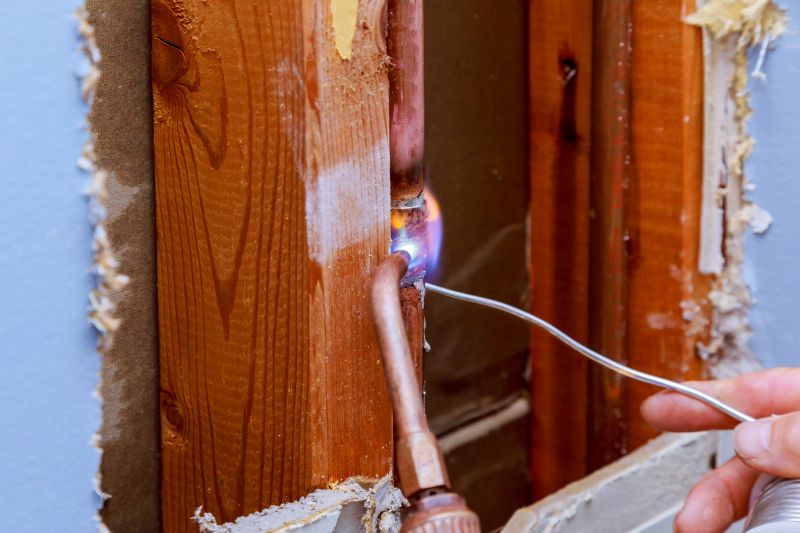
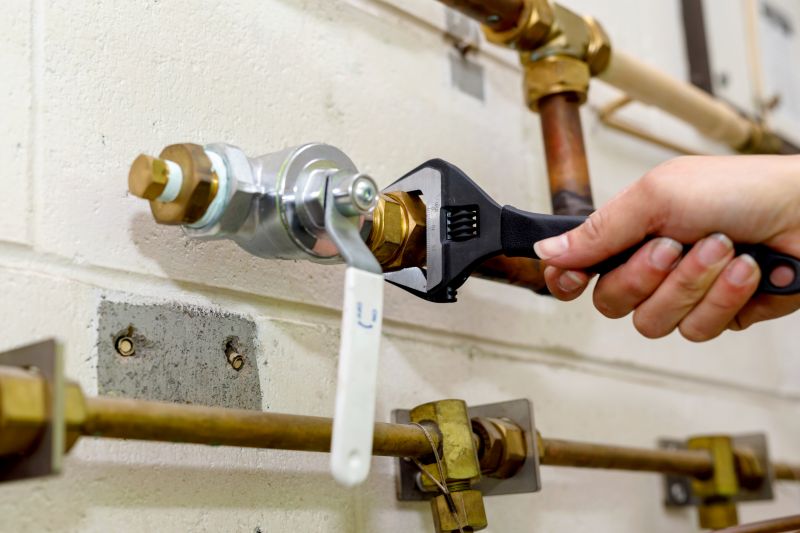
Understanding what causes gas line leaks in homes is essential for property owners who want to ensure safety and proper functioning of their gas systems. Common issues include aging pipes that become corroded over time, accidental damage during nearby construction or renovation projects, and improper installation or repairs that lead to weak connections. Additionally, shifting soil or ground movement can put stress on underground gas lines, increasing the risk of leaks. Homeowners often seek out local contractors who specialize in gas line services to assess potential vulnerabilities and address any concerns before problems develop.
When gas line leaks occur, prompt repair by experienced service providers is crucial. Local contractors can identify the source of leaks caused by corrosion, loose fittings, or physical damage, and perform the necessary repairs to restore safety and reliability. Regular inspections and maintenance performed by qualified professionals can help prevent leaks caused by wear and tear or accidental damage. Property owners are encouraged to connect with trusted local service providers for leak detection and repair services, ensuring that any issues are handled efficiently and safely.
What are common causes of gas line leaks in homes? Gas line leaks can result from corrosion, physical damage, improper installation, or aging pipes, which may weaken the line and cause leaks.
How does corrosion lead to gas line leaks? Over time, moisture and environmental factors can cause metal pipes to corrode, creating holes or cracks that allow gas to escape.
Can physical damage cause gas line leaks? Yes, accidental impacts, such as from digging or heavy equipment, can puncture or crack gas lines, leading to leaks that require repair by local contractors.
Why do improper installation practices cause leaks? Incorrect fitting, poor sealing, or using incompatible materials during installation can result in vulnerabilities that develop into leaks over time.
How does aging affect gas lines in homes? As gas lines age, materials may degrade, joints can loosen, and corrosion can develop, all increasing the risk of leaks that should be addressed by experienced service providers.
Age of Gas Lines - Older gas lines may develop leaks over time, prompting property owners to schedule inspections and repairs with local contractors.
Corrosion and Rust - Signs of corrosion can indicate potential leaks, encouraging homeowners to have a professional assessment and necessary repairs performed.
Improper Installation - Incorrectly installed gas piping can lead to leaks, so property owners might consider professional evaluations and repairs to ensure safety.
If you are thinking about what causes gas line leaks in homes? for a property, this guide is meant to help you understand this topic, the typical project types, and how different options might fit your plans.
When you are ready, you can use the quote form on this page to share a few details about your project. From there, local pros can review the basics and follow up with options that match what you have in mind.